
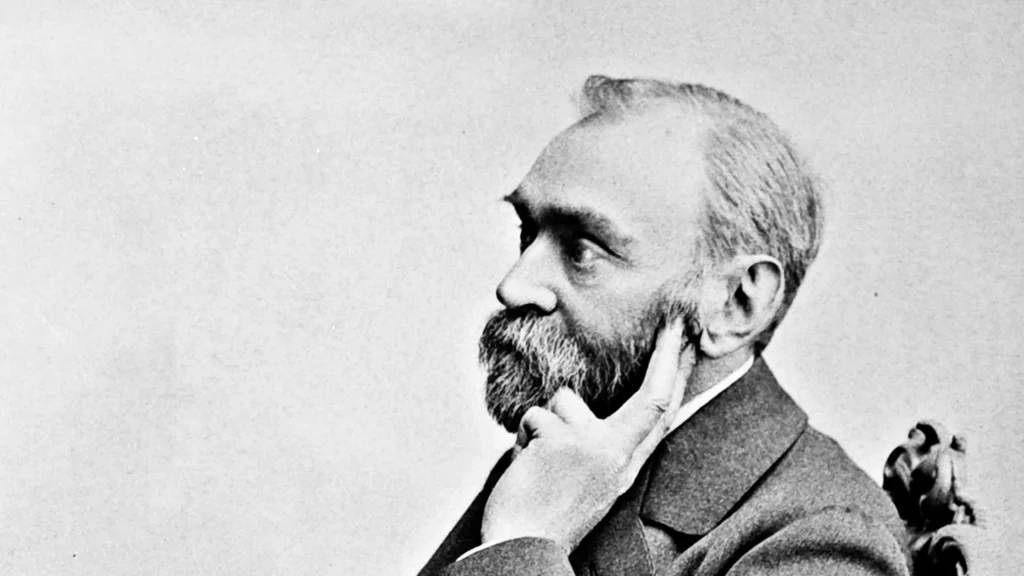
A philanthropist is someone who gives money, time, skills or things to help other people or a good cause, without expecting anything in return. Philanthropy is the practice itself: organized, long-term giving aimed at improving lives. You don't have to be a billionaire to be a philanthropist, and most donors aren't.
What Is a Philanthropist?
The word comes from Greek. Philos means loving and anthropos means human being, so a philanthropist is literally a person who loves humankind and acts on it.
What sets philanthropy apart from a one-off act of charity is intent and follow-through. A philanthropist chooses a cause, decides how to support it and cares about the result. The gift can be a check, but volunteer hours and professional expertise count just as much.
Philanthropist vs. Sponsor vs. Patron
People often use these words interchangeably. The difference comes down to one question: does the giver expect something back?
| Term | Why They Give | What They Give | Expects Something Back |
|---|---|---|---|
| Philanthropist | To help people and society | Money, time, goods, expertise | No |
| Sponsor | Brand visibility, business goals | Money, products, services | Yes, usually publicity |
| Patron | To advance the arts, science or education | Long-term support for creators and institutions | Usually not |
Sponsorship is a marketing tool. Patronage sits close to philanthropy but focuses on culture and learning.
Famous Philanthropists
Many of the best-known names in philanthropy left behind institutions that still work today.
- Andrew Carnegie funded 2,509 public libraries around the world, spending nearly $56.2 million on them.
- Alfred Nobel signed the will that created the Nobel Prizes in 1895. The first prizes were awarded in 1901.
- Henry Ford and his son Edsel set up the Ford Foundation in 1936.
- Mother Teresa founded the Missionaries of Charity in Kolkata in 1950.
- Bill Gates, Melinda French Gates and Warren Buffett launched the Giving Pledge in 2010, a promise by the world's wealthiest people to give away most of their fortunes.
Some of the biggest gifts go to science. Howard and Lottie Marcus of San Diego left $400 million to Ben-Gurion University of the Negev in Israel, mostly for water research and desert agriculture. The gift, announced in 2016, is considered the largest ever to an Israeli institution.
Philanthropy in the Czech Republic
Philanthropy has deep roots in Central Europe, where our company is based. In 1792, Countess Marie Walburga Truchsess-Waldburg-Zeil opened a school at Kunín Castle in Moravia called the Philanthropinum, where children from every social class studied side by side. A century later, Josef Hlávka gave 200,000 gulden to found the Czech Academy of Sciences and Arts in 1890, and in 1904 he set up what is now the oldest Czech foundation still in operation.
Giving is growing today, too. According to a February 2026 analysis by the STEM institute for the Czech government, donations claimed on tax returns rose from 4.4 billion Czech crowns in 2012 to 12.5 billion in 2024, almost three times as much. The share of individual taxpayers who deduct donations went up from 6.4% to 10.6% over the same period.
Online giving plays a big role. The Czech platform Darujme.cz alone raised almost 481 million crowns from about 250,000 donors in 2025, a year without any major humanitarian crisis to drive donations.
Anyone Can Give
Philanthropy isn't reserved for the rich. Regular small donations add up: on Darujme.cz, recurring gifts made up 64% of the money raised in 2025.
Time and skills matter as much as money. Zdeňka Wasserbauerová, an accountant from Otrokovice, started recruiting bone marrow donors in 1996 after her grandson got leukemia. By visiting schools and workplaces, she has brought thousands of people into the Czech donor registry. The Via Foundation has recognized stories like hers with its annual Via Bona award since 1998.
Corporate Philanthropy and Team Building
More and more companies bring philanthropy into the workplace through employee volunteering. Teams spend a workday helping at a senior center, a children's home or a local nonprofit.
Both sides benefit. Employees gain new experiences and a break from the office, and the organization gets real help. Everyone walks away with new connections, not just a good feeling.
Philanthropy is also one of the pillars of responsible business. Our guide to ESG team building explains how it fits alongside CSR and ESG. If you'd like to try it with your team, our Insect Hotels Construction program has teams build insect hotels that go to local kindergartens after the event.
FAQ
What is a philanthropist?
A person who gives money, time, skills or goods to help others or a good cause without expecting anything in return. The word comes from the Greek philos (loving) and anthropos (human being).
What's the difference between a philanthropist and a sponsor?
A philanthropist gives to benefit people and society. A sponsor provides money or products and expects something back, usually publicity for a brand.
Who are some famous philanthropists?
Andrew Carnegie funded 2,509 public libraries, Alfred Nobel created the Nobel Prizes, Henry Ford and his son Edsel founded the Ford Foundation, and Bill Gates, Melinda French Gates and Warren Buffett launched the Giving Pledge in 2010.
Give Back as a Team
Philanthropy doesn't have to start with a big check. Bring your colleagues to build insect hotels that we donate to local kindergartens, or tell us who you'd like to help and we'll design a program around your team.