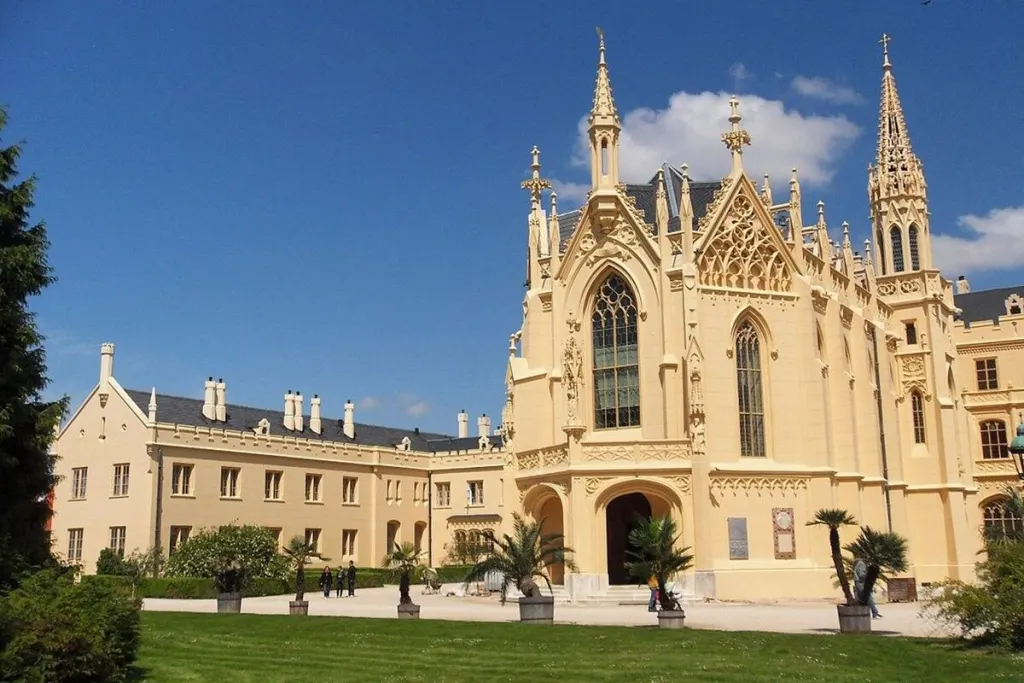
The Lednice Castle and its grounds was the property of the House of Liechtenstein for over seven centuries, but today the castle is owned by the state. Tourists and locals alike are fascinated not only by the neo gothic castle but also the surrounding park, designed and established in the 19th century.
For its harmony between architecture and environment, the man-made and the natural, Lednice–Valtice Area is recognised as one of the most beautiful castle complexes in Czech Republic and is a part of the UNESCO World Heritage since 1996. The area is important not only for people, but also for animals, with several parts of the park and general area of Lednice being protected as a natural heritage. It offers countless opportunities to those interested in medieval and modern history, sport, botanic and gastronomy.
Fascinating history
First mentions of a fortress near the Lednice village are from the first half of 13th century. The purpose of the first fortress was to safeguard the ford of the Thaya river. During the next few decades, the fortress became the property of the House of Liechtenstein. They safeguarded, expanded and reconstructed the Lednice Castle for 700 years, until it was confiscated by the Beneš decrees. Since 1945, the castle and the surrounding park belongs to the state.
The castle’s fascinating history shows dramatic changes in architecture during the almost eight centuries of its life. In the 16th century the castle was a perfect example of the renaissance aesthetics. Italian architect Domenico Martinelli led the reconstruction efforts that gave the building at the end of the 17th century a decidedly baroque face. Today’s mostly neo gothic style is the result of another extensive reconstruction in the second half of the 19th century.
Historical and natural sites
The Lednice Castle itself is an undisputed focal point of the whole Lednice-Valtice Area, but it would be a shame to forget about other interesting sites. Botanical lovers cannot pass by the beautiful greenhouse, adjacent to the castle. With a nice stroll in the park you can visit Moorish Revival style "minaret" - a 62 metres high observation tower from the end of 18th century. Not far you will find an artificial ruins of a Gothic revival style, John’s Castle, or the Temple of the Three Graces.
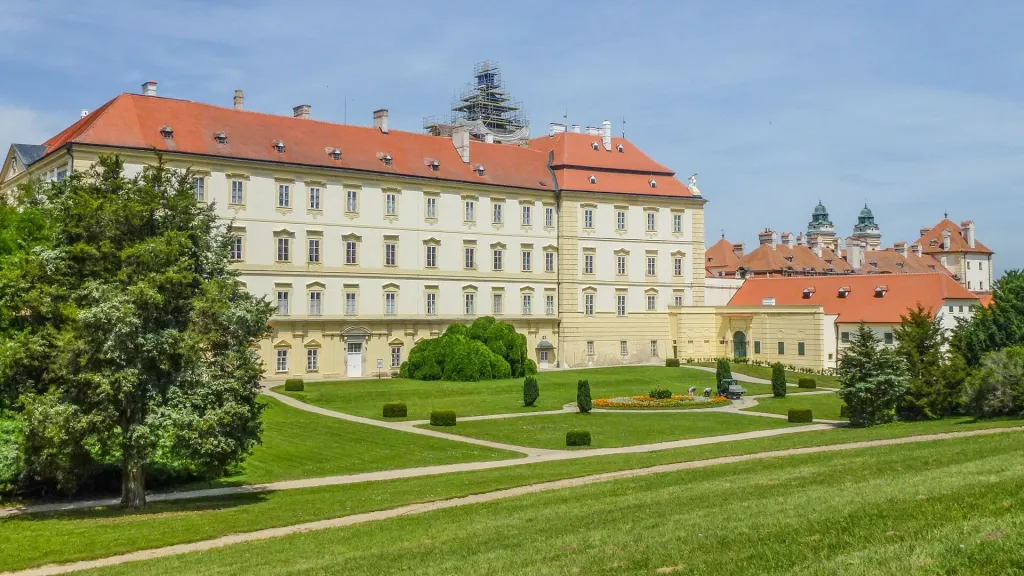
Not far from the Lednice Castle you can also visit its sibling - the Valtice Castle in the village that bears the same name. The Castle is known mostly for its delicious wine production.
What more can Lednice-Valtice Area offer
Visiting the castles, the greenhouse and the Lednice park. What more can you expect from the Lednice-Valtice Area? You can go for a walk (or take a carriage with horses) to the nearby ponds. In the summer the park is a venue for multitude of cultural and musical events.
The John Castle in the park is often a place for traditional fairs or medieval performances. The river Dyje offers opportunities for fun on water, and if you are interested in animals, don’t pass on the opportunity to see and feel beautiful falcons with the performance of the group Zayferus. And of course, you can take part in our teambuilding activities that will guide you through the most beautiful parts of the park!
How to get there and where to stay
You can get to Lednice very comfortably with your car (take the D2 highway) and leave it at one of the guarded parking spots. If you decide to take the train, get off the train at the station Podivín. From there, take a local bus that will take you to the Lednice centre in about 15 mins, or go for a little hike on the marked hiking trail. Lednice loves its tourists, so you can choose from an abundance of accommodation offers - from cheap hostels to top-class hotels.
FAQ
Is the Lednice-Valtice Area a UNESCO World Heritage Site?
Yes, the Lednice-Valtice Area has been part of the UNESCO World Heritage since 1996. Several parts of the park and the Lednice area are protected as natural heritage.
When Was Lednice Castle Founded and Who Owned It?
The first mentions of a fortress near Lednice date from the first half of the 13th century, and its purpose was to safeguard the ford of the Thaya river. The House of Liechtenstein owned the castle for over seven centuries, until it was confiscated by the Beneš decrees. Since 1945 it has belonged to the state.
What Architectural Style Is Lednice Castle?
Today's mostly neo-gothic style is the result of an extensive reconstruction in the second half of the 19th century. In the 16th century the castle was a perfect example of Renaissance aesthetics, and at the end of the 17th century Italian architect Domenico Martinelli gave it a decidedly baroque face.
What Else Is Worth Seeing Besides the Castle?
Botanical lovers shouldn't miss the greenhouse next to the castle. A stroll through the park leads to the Moorish Revival "minaret," a 62-meter observation tower from the end of the 18th century, to John's Castle, an artificial Gothic Revival ruin, and to the Temple of the Three Graces. Nearby is the sibling Valtice Castle, known for its wine.
What Events and Experiences Does the Area Offer?
In summer the park hosts many cultural and musical events, and John's Castle is often the place for traditional fairs or medieval performances. The group Zayferus performs with falcons. You can also join our team building activities in the park, such as Treasure of John's Castle, a story about hidden treasure.
How Do I Get to Lednice and Where Can I Stay?
By car, take the D2 highway and leave the car at one of the guarded parking spots. By train, get off at Podivín station, where a local bus reaches the Lednice center in about 15 minutes; a marked hiking trail leads there too. You can stay right in Lednice, in hostels or hotels.
Local specialities
South Moravia is famous for its vineyards and wines of the highest quality. We recommend visiting one of the local wine cellars, learn about the production and consumption of wine from the vineyard owner himself, and enjoy the complete South Moravia experience with traditional dulcimer music.